

January seems as though the rain has barely stopped — days of heavy skies, saturated ground and the kind of damp that seeps into everything. Gardens are waterlogged, paths are soft underfoot, and growth has been forced to pause. And that’s okay. The garden has been doing exactly what it needs to do: waiting.
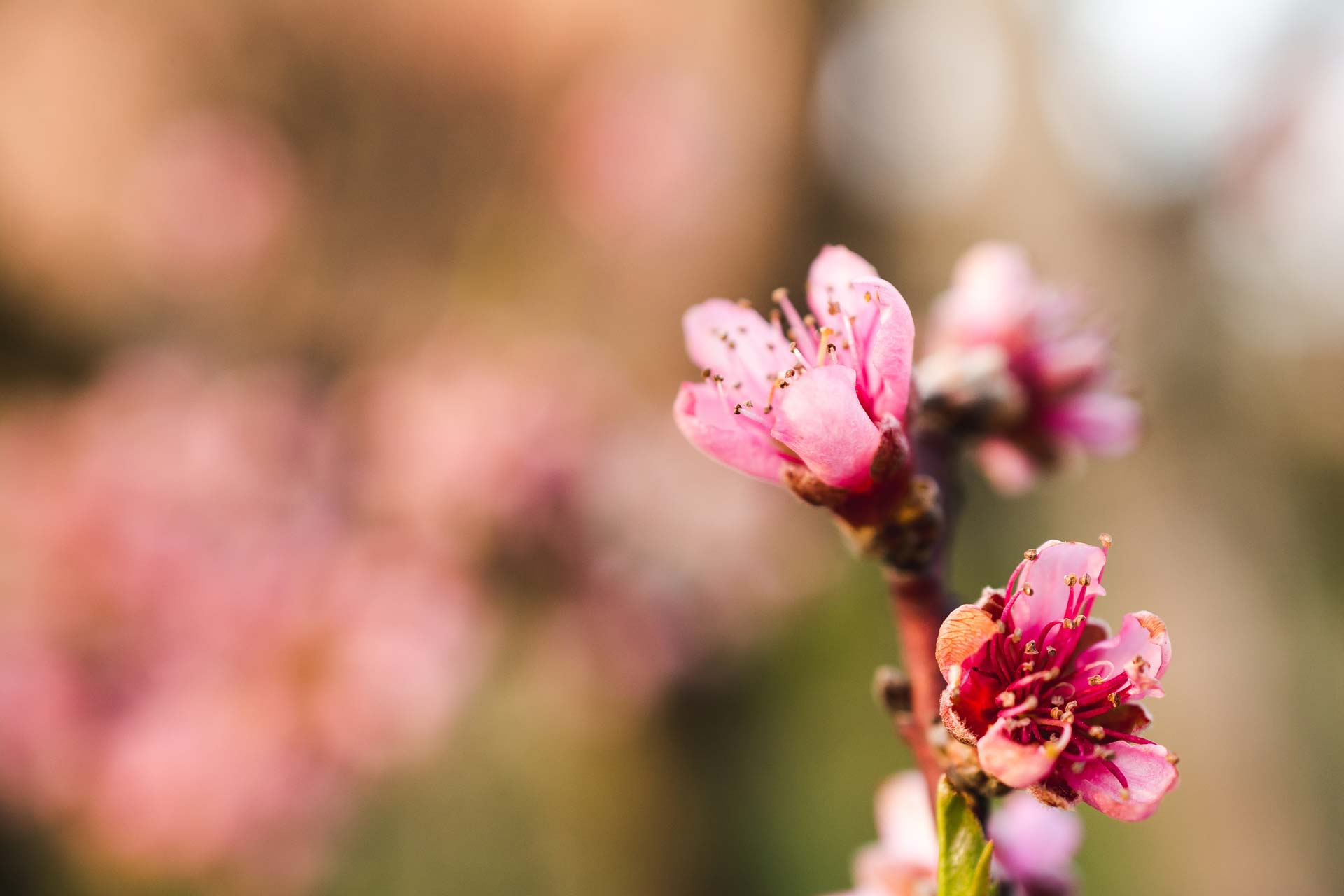
February begins a little differently. It opens with St Brigid’s Day and the February bank holiday, a traditional marker of the first stirrings of spring. While the weather may not immediately reflect it, there is a subtle shift — a little more light in the evenings, have you noticed it? A sense that the year is beginning to turn.
Noticing the First Changes
Even after weeks of rain, signs of life are beginning to appear. Snowdrops, crocus and early daffodils push through cold, heavy soil, often in places we had forgotten they were planted. These early flowers are more than just colour; they are indicators.
They show us where drainage is best, where sunlight reaches first, and which parts of the garden warm up earliest. After such a wet winter, this information is especially valuable. Take time to notice where plants are coping well and where water continues to sit — these observations will guide future planting far better than any plan made indoors.
Taking Stock of the Space
With deciduous trees and shrubs still bare, February gives us a clear view of the garden’s structure. Hedges, trees and boundaries are easier to read now. Are there areas that feel exposed after weeks of wind and rain? Spaces that feel empty or unsettled in winter?
This isn’t about fixing everything at once. It’s simply about noticing. Sometimes the most important decisions come from sitting with the space rather than rushing to change it.
Bare-root trees and hedging can still be planted this month when conditions allow, but always let the soil decide. If it’s frozen or waterlogged, it’s best left alone.
Pruning with Care, Not Pressure
February is traditionally the month for rose pruning. Choose a dry, mild day and keep things simple. Remove dead, damaged or crossing stems and aim to open up the centre of the plant to improve airflow and light.
Roses are forgiving plants. Thoughtful, gentle pruning matters far more than getting it “right.” Adding a little compost or organic matter around the base now will quietly support healthy growth as the season changes.
For anyone who would like more confidence, our Rose Workshop takes place on Saturday 21st February, and there are still places available. It’s a relaxed, practical session focused on understanding roses and caring for them in a way that suits your own garden.
Moving Forward Gently
February reminds us that progress doesn’t need to be dramatic. After a month of constant rain, the garden is quietly resetting itself. By observing rather than rushing, we give both the garden — and ourselves — the best possible start to the year.
As always, if you have questions or need help choosing plants, we’re here to help. Pop in and see me at Rockbarton —we’re open Wednesday to Saturday, 10am to 5pm for the month of February
Happy gardening,
Lynda 🌿